Turn Bing Maps into your lead list.
Extract business leads from Bing Maps — names, phones, emails, websites, social profiles and reviews. A third, independent local index, in any of 195 countries. No code required.
Bing Maps scraper
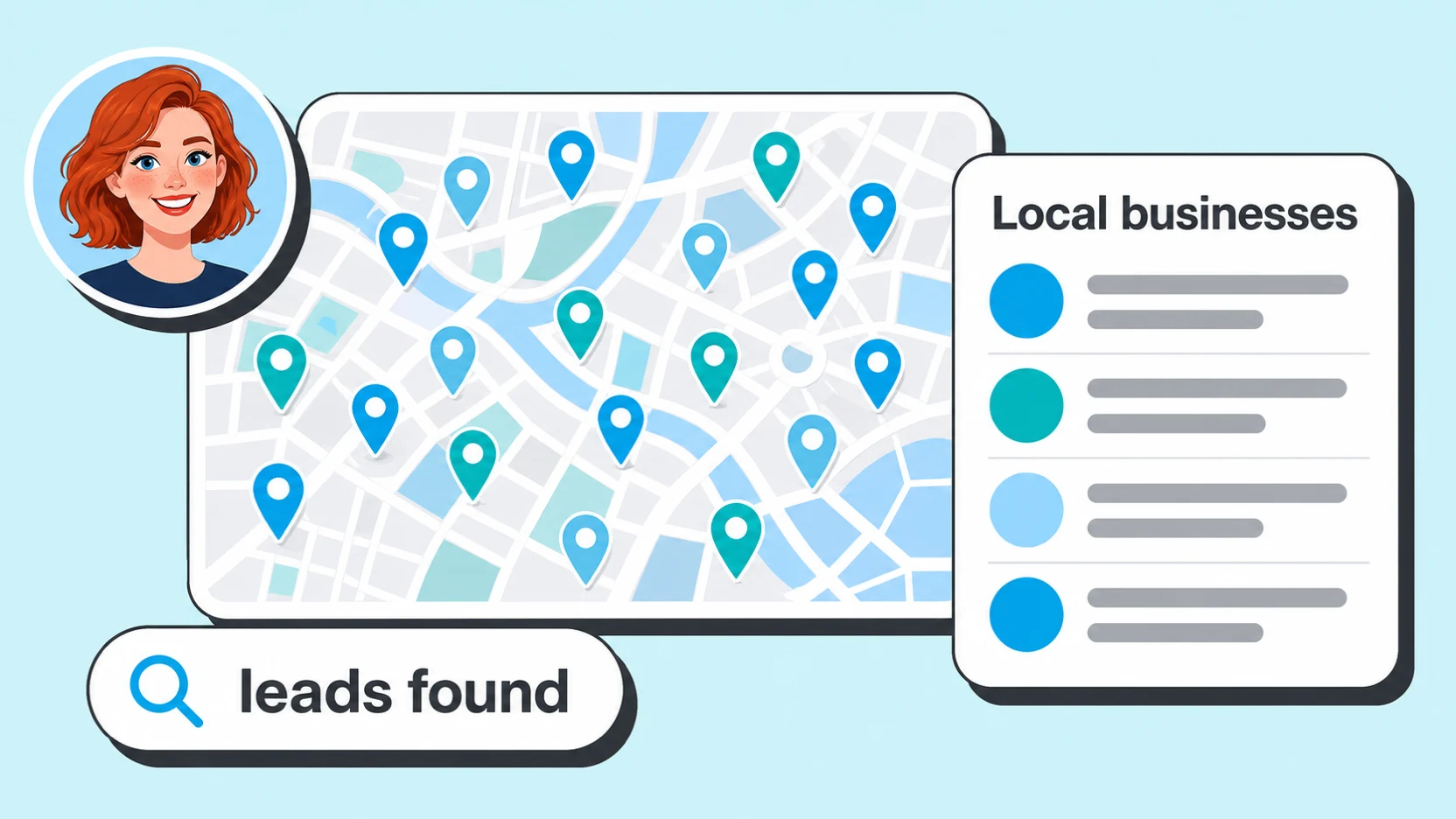
The index nobody else is scraping
Everyone builds their prospect list from the same place, which is why the same businesses get the same pitch four times a quarter. Bing's local index is built separately — and it is where the lists your competitors are working from run out.
Independence
A separate index, not a mirror
Bing Maps is compiled from its own mix of licensed data providers, business submissions, and web crawling. It is not a copy of Google's index with different colours — the two disagree about which businesses exist, which are still trading, and what the contact details are.
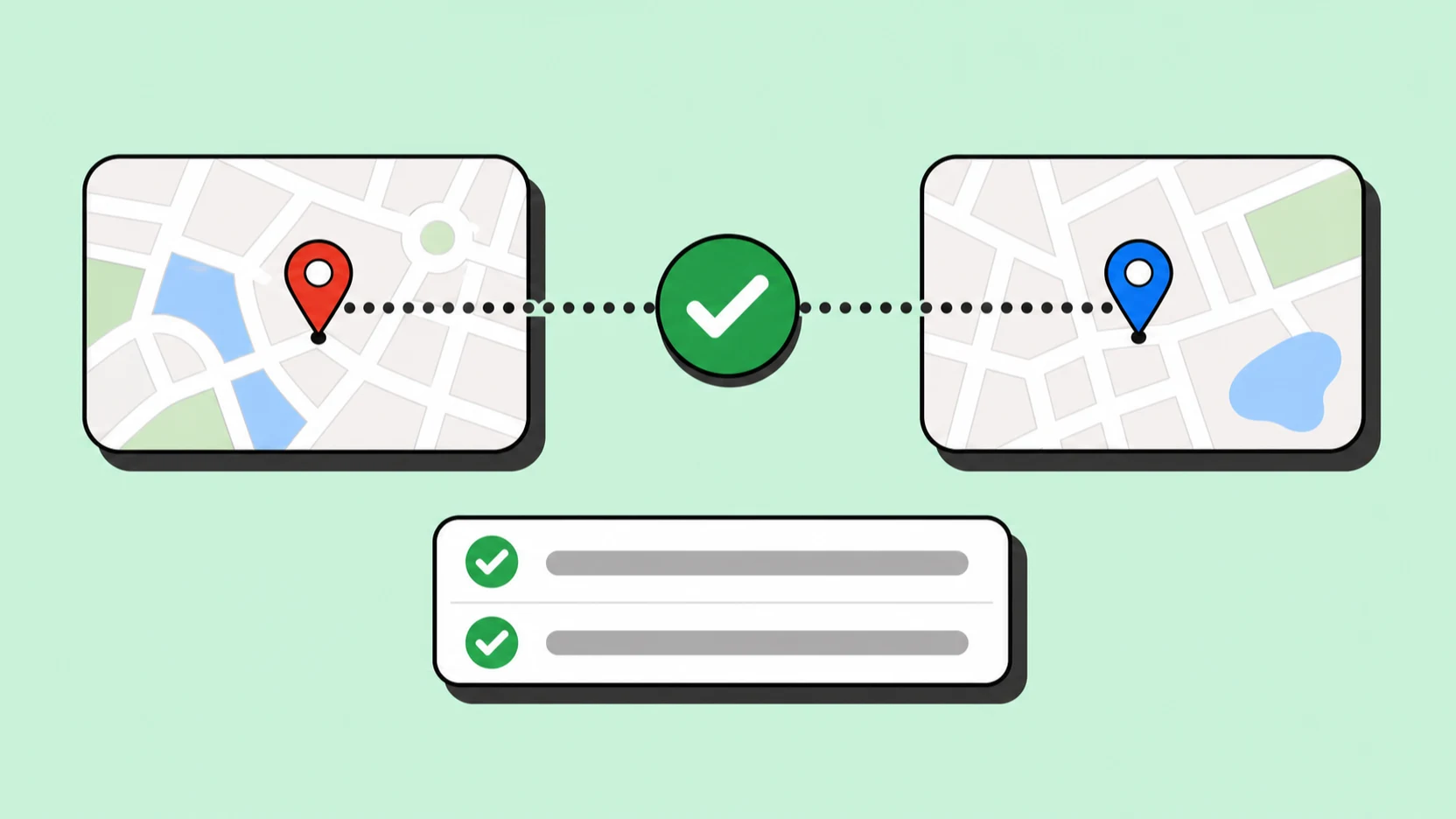
That disagreement is the point. When you run the same category-and-city query against Bing and against Google, the rows that appear in one and not the other are the part of the market your list was silently missing.
Combining sources
Put a second source next to the first
Because MapLeads exports Bing Maps with exactly the same columns as Google Maps and Apple Maps, merging is a spreadsheet operation rather than a data project. Match on domain or phone, drop the overlap, and you have a single list with both indexes' coverage.
Teams that sell into dense local markets — agencies, SDRs working a territory, anyone whose TAM is a city rather than a vertical — tend to get the largest lift here, because the overlap between indexes shrinks as the market gets more fragmented.
Enrichment
Emails and socials, pulled the same way
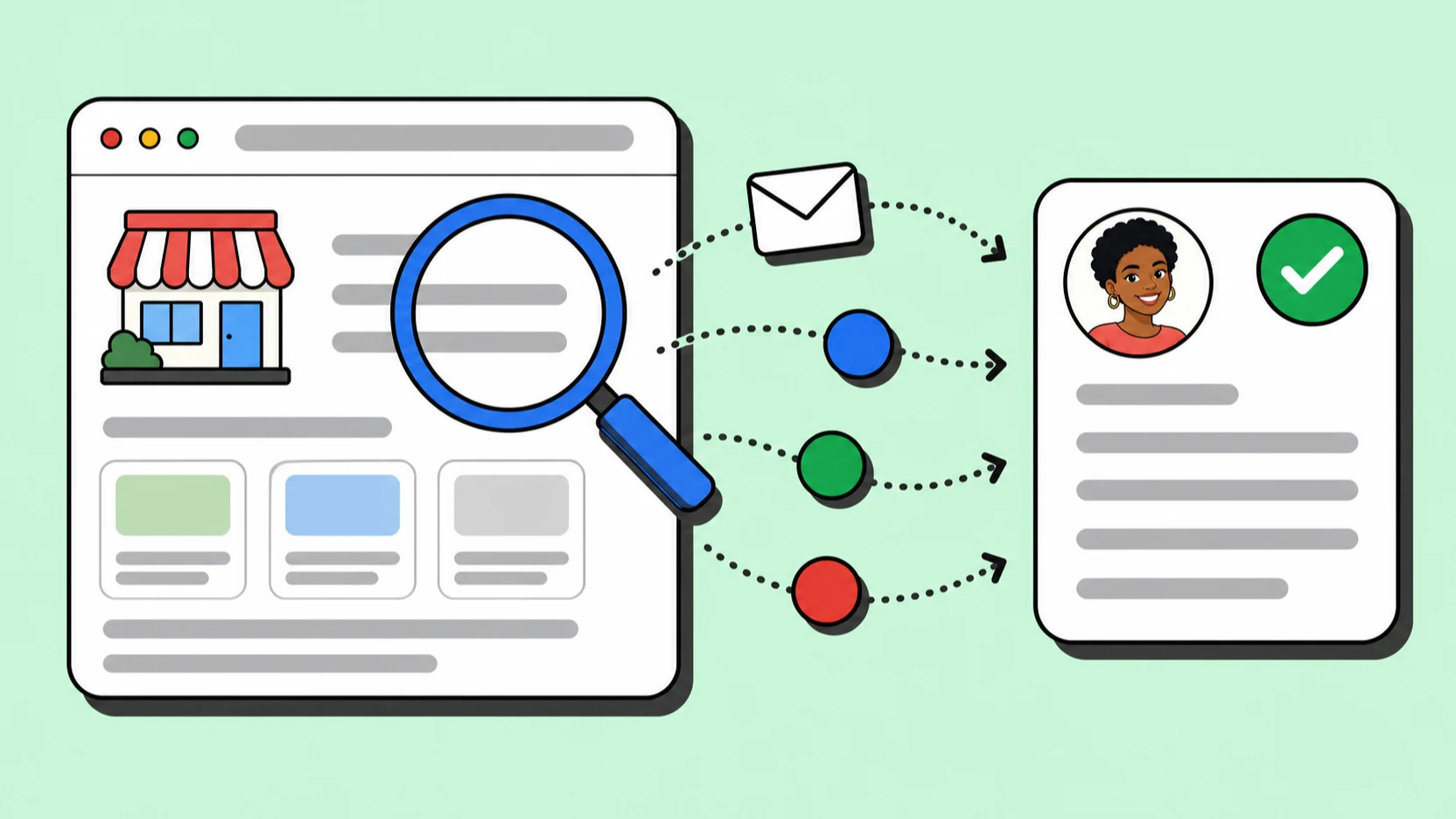
Like every maps product, Bing Maps publishes a website but not an email address. MapLeads follows the linked site, extracts published contact addresses and social profiles, and writes them onto the same row.
Nothing about the enrichment differs by source, so a Bing-sourced lead and a Google-sourced lead land in your CRM with the same fields filled in — no conditional logic in your import mapping.

Targeting
Same 4,000+ categories, same geography
Search Bing Maps by business type and place with the same form you use for the other two sources: pick a category, pick a city, metro, region, or country, and run it. There is no separate query language to learn for the second index.
Filters apply before export — minimum rating, review count, has-email, has-phone, has-website — so a Bing run produces a campaign-ready file rather than something you still have to clean.
Export & automation
One credit model across all three sources
Bing Maps jobs draw on the same credit balance as Google and Apple, export to the same CSV, Excel, and JSON, and appear in the same job history. There is no separate billing line, plan tier, or connector to add before you can query a second index.
The REST API takes the maps source as a parameter, so automating a two-source run is one extra field in the request — not a second integration.

Bing Maps scraper FAQ
“To add or change information about your business in Bing Maps search results, use Bing Places for Business to claim or update your business listing.”
Bing Maps is fed by its own submissions, through Microsoft's own front door. The businesses that filled in one directory and never touched another are exactly the rows a single-source list is missing — and they are the ones with the least competition in the inbox.
Why scrape Bing Maps when Google Maps is bigger?
Because bigger is not the same as complete, and because everyone else is working from Google. Bing's index is compiled independently, so it lists businesses Google is missing or has stale, and those rows are the part of your market no competitor has already emailed this quarter.
How much overlap is there between Bing and Google results?
It varies by market and category. Dense urban markets with many small independents show the least overlap; sparse rural categories show the most. The practical answer is to run both for one city in your target vertical and measure the union before deciding whether to run both at scale.
Is the data quality as good as Google Maps?
For core fields — name, address, phone, website, category — Bing is comparable. Review counts and ratings are generally thinner, since fewer people leave reviews there. If review signals drive your prioritisation, use Google as the primary source and Bing to widen coverage.
Does a Bing Maps job cost more?
No. All three maps sources draw on the same credits and the same plan. See pricing for the current credit allocation per tier.
Can I run Bing and Google in the same job?
Each job targets one source, which keeps the results traceable. Run the same query twice, once per source, and merge the two exports — the identical column layout makes that a straightforward de-duplication.
Is scraping Bing Maps legal?
MapLeads collects publicly published business listing data — company names, addresses, phone numbers, and business website links — not personal or private information. How you contact those businesses is still governed by GDPR, CAN-SPAM, and the marketing rules of the market you are sending to.
Written and maintained by the MapLeads team · Last reviewed